ChildFirst Preschool · Ages 2–6
Don’t underestimate what your child can do before P1.
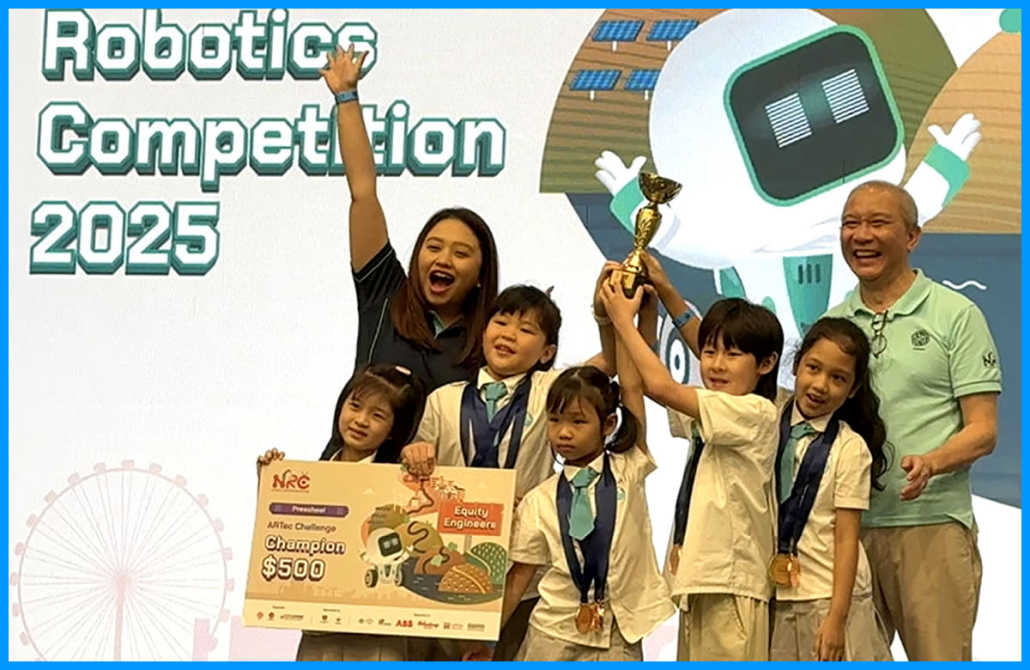
Most parents are surprised by what ChildFirst children can already do — co-creating stories with AI, reading Chinese with ease, and winning national robotics titles, years before Primary 1.
Beyond Expectations
What ChildFirst children can already do.
Not claims — real examples of what children years away from Primary 1 are already capable of.
Don't Underestimate What Your Child Can Do Before P1
English in Action — The Great SG60 Ice Kachang Disaster!
How do we teach English? →Chinese in Action — Chinese Without Tears
How do we teach Chinese? →AI in Action — National Robotics Champions
How do we teach AI? →ChildFirst Trilingual · Our Signature Approach
Three languages. Three developmental environments.
Not three academic subjects — three environments that, together, cultivate Tri-Intelligence.
Not simply a language.
The environment where children learn to think, communicate and imagine.
It is the language of today's world — the natural medium through which children collaborate, explore ideas and solve problems.
Not simply another language.
The environment where children absorb culture, heritage, identity and values.
It carries thousands of years of civilisation — heritage, traditions, stories and ways of thinking children cannot fully encounter through English alone.
Half of every school day is spent in Chinese — roughly 3,000 hours of immersion by graduation, more than any amount of tuition later could replace.
Not simply technology.
The environment where children learn to think alongside intelligent machines.
Not because AI is fashionable, but because it is becoming part of every child's future — where children learn to ask better questions, think critically, and use it to augment, not replace, their own intelligence.
The ChildFirst Journey
Don’t underestimate what your child can do before P1. That journey begins at two.
See how capabilities build, stage by stage.
Real progressions from our curriculum, from Pre-Nursery to K2.
Click any stage below to see real photos and what your child actually experiences.
English
That's the journey. Now see the Beyond Expectations result: English in Action — The Great SG60 Ice Kachang Disaster!
Chinese
That's the journey. Now see the Beyond Expectations result: Chinese in Action — Chinese Without Tears
AI
That's the journey. Now see the Beyond Expectations result: AI in Action — National Robotics Champions
We are stretching our children, not stressing them.
Happy Faces at ChildFirst @ Hillview
A Proven Track Record
Recognised by parents, educators and the media.
For more than three decades, ChildFirst has consistently anticipated educational change.

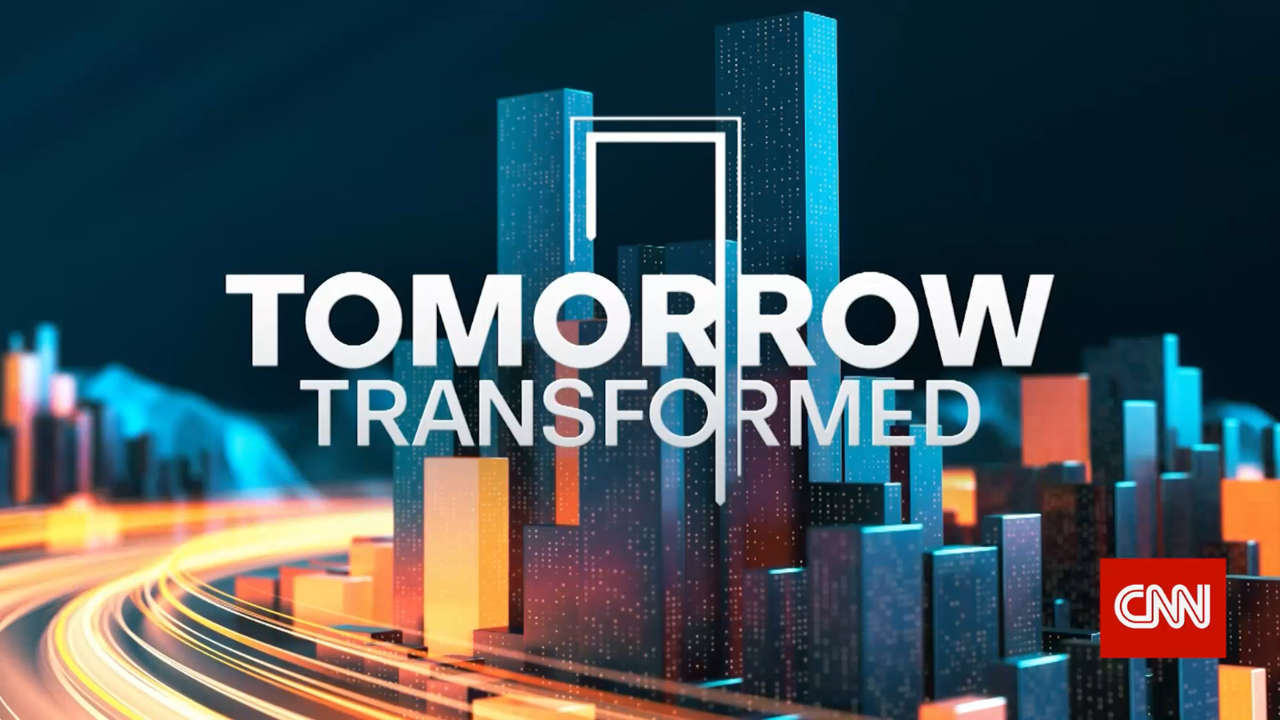
CNN International's "Tomorrow Transformed"
What will your child's future world be like? Innovations and changes are happening every day and at an ever-increasing pace. We live in a digital world today where AI is part and parcel of everyday life. AI isn't going anywhere. It improves our daily lives and will create more jobs than it eliminates. Your child will need to be native speakers of AI and use it to problem-solve and break through human limitations. Watch CNN International's "Tomorrow Transformed" to hear what the experts have to say about AI in the future. ChildFirst's forward-thinking AI curriculum and how it prepares children for their future is featured within (starts at 2:58 mark).
View original coverage →
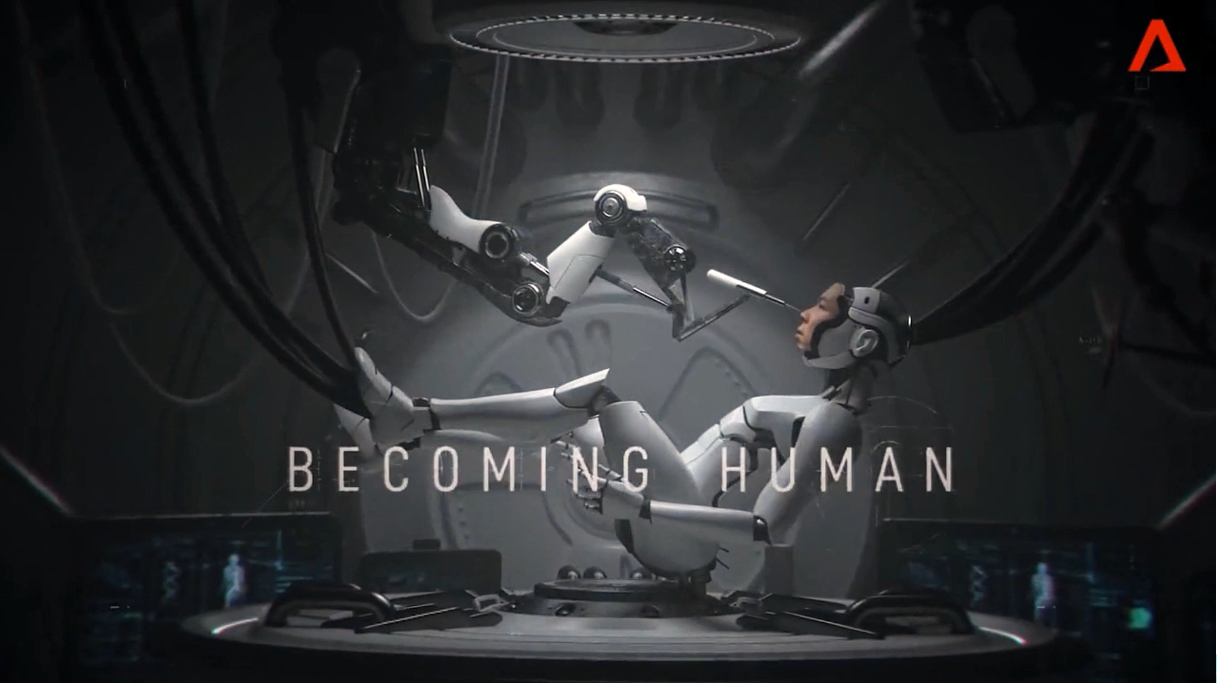
Featured in Channel News Asia's "Becoming Human" Series
ChildFirst is the only pre-school featured in Channel News Asia's "Becoming Human Ep 4: Real Power" for our Coding programme. Preview the 3-minute segment (starts at 43:57)!
View original coverage →
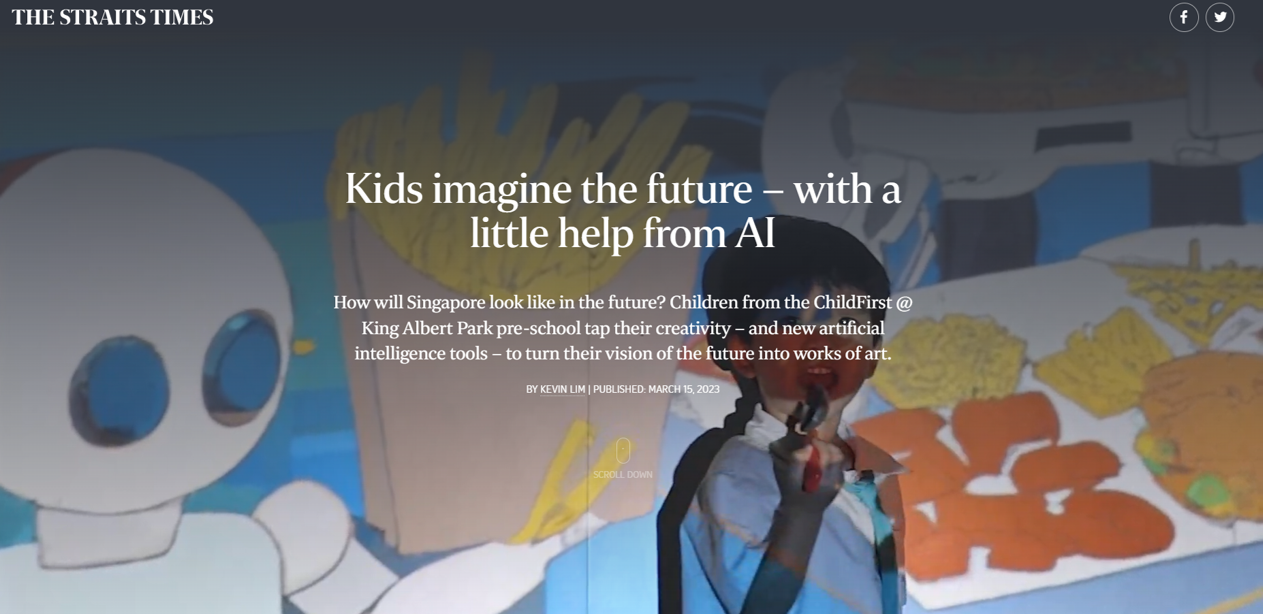
Kids imagine the future — with a little help from AI
ChildFirst children were featured in The Straits Times article on how Singapore will look like in the future. The children tapped on their creativity and new artificial intelligence tools to turn their vision of the future into works of art! Such projects involving generative AI are in line with our parent company Ednovation's vision to innovate education to future-proof children.
View original coverage → BabyMent — Top Preschool in Singapore, 2026
 Parents World — Best Preschool Award, 7-Time Winner
 The New Age Parents — Education Awards 2023, Editor's Choice
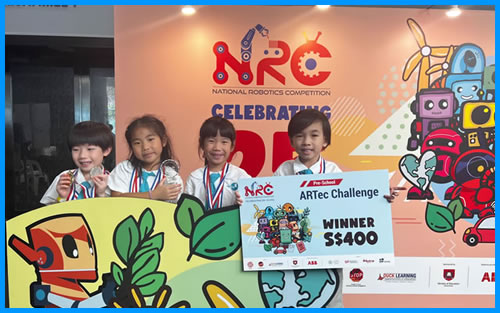
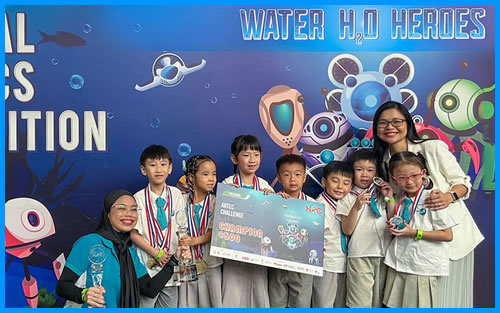
National Robotics Competition
“The Chinese curriculum in particular is excellent and he finds primary school Chinese a breeze.”
— Deborah Chen, Google Review
“The tri-language program is phenomenal. The AI-driven Chinese app is cutting-edge, identifying areas for improvement and reinforcing learning through repeated practice. It's well-preparing my son for primary school. Beyond academics, ChildFirst places great emphasis on character building. My son has grown emotionally resilient and can manage his emotions much better now. The teachers are patient, caring, and truly invested in the children's growth.”
— Olivia Leu, Google Review
“The robotics and coding sparked a genuine interest in her, and the opportunities to participate National and International Robotics Competitions were truly unforgettable. … clinch the National Championship this year.”
— Yiwen Hui Jun, Google Review
Experience ChildFirst
See it in person.
You’ve seen what ChildFirst children can do. Book a personal school tour at any of our 5 centres and see it for yourself.
FAQ
Questions Parents Ask
Education can't promise a fixed destination, but it can shape a trajectory. That trajectory depends on direction (the capabilities that matter most as intelligence becomes abundant), nature (a child's innate potential), and nurture (the environment and opportunities we provide). ChildFirst is built around Tri-Intelligence because we believe these are the capabilities that hold up regardless of how the future unfolds.
By age 7, the brain has already eliminated roughly 50% of the extra neural connections it was born with, to conserve energy — a process called synaptic pruning. This happens during specific windows of opportunity — brief periods when certain capabilities are most receptive to being shaped — and once a window closes, the same learning takes far more effort and is never quite as complete. Starting early means working with that biology, not against it.
Our founder is a Harvard PhD in Physics who left Silicon Valley to build preschools for his own children, and our philosophy isn't a reaction to AI — it's been anticipating this shift for years, across more than 50 preschools in Asia. We built Tri-Intelligence and ChildFirst Trilingual around a simple belief: as intelligence becomes abundant, education has to optimise what makes children human, unique, and capable of working with — not against — the tools around them.
AI, Coding & Screen Time
Q: Why teach AI in preschool?
A: Because children are already growing up alongside it. Rather than waiting until AI is unavoidable, we teach children to use it as a second brain from an early age — to think with it, question it, and create with it — so they grow up directing it, not just reacting to it. Our students have also been the overall winners of the National Robotics Competition for three consecutive years, evidence that starting early with coding and AI builds real capability, not just familiarity.
Q: How does ChildFirst make sure AI doesn't hurt children's creativity?
A: A landmark study found that 98% of children aged 4 to 5 scored at genius level for divergent, creative thinking — a figure that fell to 30% by age 10, 12% by age 15, and just 2% in a sample of 280,000 adults, largely because traditional schooling trains children toward finding the single "correct" answer instead of imagining new ones (George Land & Beth Jarman, Breakpoint and Beyond, 1992). We treat generative AI as a creative partner rather than a worksheet machine: to celebrate Singapore's 60th birthday, our children co-created an original story, "The Great SG60 Ice Kachang Disaster," using Gemini and DALL-E to help bring their own plot, characters, and humour to life. The AI handled the mechanical execution; the children provided the imagination.
Q: How do children use AI safely?
A: AI is introduced in age-appropriate, guided ways, always alongside a teacher — never as an unsupervised substitute for one. The goal is for children to learn to question and direct AI thoughtfully, not to use it unsupervised.
Q: What is Human Intelligence, and why does ChildFirst prioritise it over AI?
A: Human Intelligence is what we call the combination of Emotional Quotient (EQ) and Executive Function (EF) — the capabilities behind negotiating a disagreement both sides feel good about, sitting with someone in their worst moment, or noticing that a quiet child is carrying something painful. AI may be able to simulate these moments, but it cannot actually be the person in the room for someone else. Because EQ and EF develop rapidly between ages 2 and 6, we prioritise building Human Intelligence first — "HI before AI" — so that as technology keeps changing, our children's most valuable capabilities don't depreciate.
Q: What is ChildFirst's approach to screen time?
A: We look at intent, not just duration — there's a real difference between passive scrolling and active creation. Our four-year-olds learn coding off-screen first, using physical cards to program robots with logic and movement, before any screen is introduced. When screens do appear, it's for active creation — designing a robot dance routine, programming a driverless car, or building a 3D game level by level — never as a passive distraction. We also use AI for personalised Chinese revision, so screen time is always a tool that augments a child's own thinking, not a replacement for it.
Q: How does ChildFirst Pre-school teach AI and coding without excessive screen time?
A: We prioritise active creation over passive consumption. Coding begins as early as Nursery 2 (N2) through “unplugged” activities using hands-on tools like tap pen controllers. By Kindergarten 2 (K2), screen time is purposeful, focused on 3D design and co-creating stories with generative AI. Our total screen exposure remains well below the recommended 1 hour daily under the “2026 MOH Guidance on Screen Use.”
Q: Is AI safe and age-appropriate for young children?
A: Yes, all AI tools used at ChildFirst are carefully curated and teacher-guided. Children do not use AI independently; our educators supervise and ensure all usage is meaningful, safe and age-appropriate.
Q: Will my child become too reliant on technology?
A: No, the ChildFirst curriculum is intentionally balanced with outdoor play, creative arts and social interaction. Technology is a tool to augment learning, not a replacement for real-world learning.
Q: Do teachers guide children during AI and coding lessons?
A: Absolutely, teachers lead all sessions. AI enhances learning, but educators remain the primary facilitators.
Q: How do AI tools like “AI Chinese” and “AI Maths” help my child learn?
A: These act as personalised tutors that adapt to your child’s individual learning pace. They identify specific areas that need practice and customise revision games for each child. These tools also provide teachers with real-time data to offer highly focused classroom support.
Q: What are the three pillars of Tri-Intelligence?
A: Our Tri-Intelligence framework balances three types of intelligence to ensure holistic development: Artificial Intelligence (AI) — future-ready tech fluency; Human Intelligence (HI) — empathy, creativity, teamwork; and Multiple Intelligences (MI) — arts, movement, and diverse talents.
Curriculum & Primary 1 Readiness
Q: What four things should a child gain from preschool?
A: We call this the Dream Outcome — four concentric layers every child should leave preschool with: Self (independence and self-help skills, like our three-year-olds learning to serve their own snacks), School (the academic foundations for Primary 1), Society (the people skills to collaborate and negotiate with others), and Future (AI-era skills, like coding, for what comes after school). These layers don't compete with each other — a strong preschool foundation builds all four at once, rather than trading academic rigour for future-readiness.
Q: How does ChildFirst teach Chinese characters?
A: Rather than rote memorisation, we build each character from a memorable visual or story — for example, the character 灭 ("extinguish") is taught by showing water being doused on a fire. Children find this method fun and easy, and it's part of why our K2 children recognise more than 50% of Primary 1 Chinese vocabulary by the time they graduate.
Q: Why learn Chinese if AI can translate?
A: Translation solves a communication problem; it doesn't build cultural understanding, identity, or character. Learning Chinese at ChildFirst develops those human qualities — the ones AI cannot substitute for — using language as the vehicle.
Q: Why learn English if AI can write?
A: AI can produce text, but it cannot do a child's thinking, leading, or collaborating for them. English at ChildFirst is developed as a tool for communication, critical thinking and leadership — skills a child needs regardless of what writes the words.
Q: How do you discover my child's strengths?
A: A child cannot discover an ability they have never had the opportunity to experience. This is why our approach to Multiple Intelligences is not about putting children into categories or trying to determine their intelligence through a test. We give children opportunities to experience different domains, observe what engages them, and then provide opportunities to develop what begins to emerge. This is the thinking behind MIPS — Multiple Intelligences Personalised Series, our enrichment programme designed around Howard Gardner’s Multiple Intelligences framework. Through MIPS, children are exposed to different enrichment experiences across a range of domains. They may discover an interest or aptitude that they had never encountered before. Just as importantly, they may discover something they do not enjoy — and that is useful information too. The process is: Exposure → Observation → Discovery → Development Exposure gives the child the opportunity to try. Observation allows us to notice what captures the child’s attention, where they persist, what comes naturally and what they repeatedly choose to do. Discovery is when patterns begin to emerge — not as a label or a test score, but as evidence of an emerging interest, strength or aptitude. Development is what comes next: giving the child more opportunities to practise and deepen that emerging capability. MIPS therefore gives children something that is difficult to provide if we ask them to specialise too early: the opportunity to discover themselves.
Q: What are Executive Functions?
A: Executive Functions are the mental skills that let children plan, focus attention, manage impulses, and hold multiple ideas in mind at once — the underlying capabilities that make learning, self-direction and collaboration possible, and a key part of how we develop Tri-Intelligence in the classroom.
Q: What makes a good preschool teacher?
A: Physicist Richard Feynman said that if you can't explain something to a six-year-old, you don't really understand it yourself — and we screen our teachers for exactly that skill, which the Harvard psychologist Howard Gardner calls "pedagogical intelligence." We don't need teachers who can recite the curriculum; we need teachers who can explain that DNA is the blueprint for building life, the same way a Lego instruction manual explains how to build a dinosaur, and then turn that idea into a hands-on tomato-DNA extraction experiment a child remembers for years. As AI collapses the cost of complex output, the ability to make a complex idea land for a specific child becomes more valuable, not less.
Q: What robotics achievements have ChildFirst students had?
A: Our students have been the overall winners of the National Robotics Competition for three consecutive years. One parent, whose six-year-old son Lucas's team won the overall championship, described it as the first time she experienced "uncontrollable tears of joy" — and noted that ChildFirst's coding programme goes beyond technical skill to build a genuine, lasting thirst for knowledge.
Q: Is it a problem if my child isn't "top of the class" in preschool?
A: Not at all — in fact, peaking too early can be a warning sign. After watching 30,000 children move through our schools, our founder has observed that the children who thrive at 14 are almost never the same children who were "top" at 6: most classmates who topped primary school fizzle out in secondary school, and most who topped secondary school don't stand out in college. Education is a long-distance race, not a sprint, so the preschool years matter more for building independence, foundations, and habits that compound over 15 years than for looking ahead of the pack right now.
Q: What does a “Trilingual Curriculum” mean at ChildFirst Pre-school?
A: We believe the three essential languages for the future are English, Chinese and AI. Children experience daily immersion, spending half the day in an English environment and the other half in Chinese, with AI concepts integrated throughout both.
Q: How does ChildFirst prepare children for the Primary 1 Chinese syllabus?
A: Through our research-backed Chinese Rapid Word Recognition (CRWR) system and AI-supported learning, K2 children typically master up to 50% of the MOE Primary 1 vocabulary before graduation, ensuring a smooth transition.
Q: How do you support children who learn at different paces?
A: We combine AI insights with small-group teaching to personalise learning. Each child receives targeted support or extension based on their needs.
Q: Do you prepare children beyond academics?
A: Yes, we focus strongly on confidence and communication, independence and self-management, and social and emotional skills. Children leave ready not just academically but holistically.
Q: What makes ChildFirst different from other pre-schools?
A: Our unique combination of AI integration, trilingual immersion and personalised learning ensures children are not just school-ready but future-ready.
Q: Are enrichment classes included in the curriculum?
A: Yes. Robotics, coding, phonics, and advanced bilingual literacy are built into our daily programme. Our core curriculum is so comprehensive that most parents find they do not need additional external academic enrichment.
Fees, Subsidies & Logistics
Q: What are the school fees?
A: Full-day programme fees range from $2,198 to $2,298 (inclusive of GST).
Q: What subsidies are available?
A: As an ECDA-licensed operator, parents who enrol with ChildFirst are entitled to: Basic Subsidy — up to $300; Additional Subsidy — up to $467 (for families with a Gross Monthly Household Income of $12,000 or below; this ceiling rises to $15,000 in 2027); and CDA funds, which can be used for fees.
Q: Is there a registration fee and deposit?
A: Yes, a one-time registration fee and refundable deposit apply. Full details will be shared during enrolment.
Q: What are your operating hours?
A: We operate Mondays to Fridays, from 7:00 AM to 7:00 PM.
Q: Where are your centres located?
A: Our two centres in Singapore are located at Tampines and Hillview.
Q: Is school bus service available?
A: Yes, school bus service is available based on location and demand. Routes and fees will be shared upon enquiry.
Q: Can I visit the school before enrolling?
A: Yes, we highly encourage you to experience our environment and meet our educators before enrolling. You may sign up for a school tour on our website.
Health, Safety & Nutrition
Q: How are meals prepared?
A: Every centre features a fully equipped in-house kitchen where our cooks freshly prepare all meals in accordance with HPB Healthy Pre-School guidelines.
Q: How do you manage food allergies?
A: We maintain a strict allergy watch system and provide customised meals for medical or dietary needs.
Q: What safety measures are in place?
A: The centre is equipped with CCTV in classrooms and common areas, with secured access control by authorised personnel. We also adhere to ECDA safety protocols.
Q: How do you prevent the spread of illnesses?
A: Children dine within classrooms instead of communal spaces. Hygiene protocols are also strictly enforced to minimise the risks of disease spread, such as HFMD.
Q: What happens if my child falls sick in school?
A: Parents will be notified immediately. Your child will be cared for in a supervised area until pick-up.
Parent Engagement
Q: How will I know my child’s progress? Will I receive regular communication?
A: Absolutely, we provide regular updates and photos via our parents’ app. Formal Parent-Teacher Meetings (PTM) are held twice a year. We believe in strong parent-school partnerships and will keep you consistently informed.
Q: Can parents be involved in school activities?
A: Yes, we regularly organise events, workshops, tea sessions, and celebrations where parents can participate.
Enrolment & Trial
Q: What is the enrolment process?
A: You may call or WhatsApp our Parent Relations Manager at 81212299, or submit a request via our website. Following your enquiry, you will be invited to attend a school tour. If you are interested in enrolling, our team will guide you through the registration process and arrange for onboarding and orientation.
Q: Is there a trial class available?
A: Trial classes may be arranged depending on availability at each centre.
Q: When should I enrol my child?
A: We recommend early enrolment as available places, especially for N2 and K1, fill up quickly. There are also scientific research-based benefits supporting an early start — you can read more about synaptic pruning and the importance of starting early in “Beyond ABCs: Future-Proof Your Child,” written by our Founder, Dr Richard Yen (PhD, Harvard University).
Still have questions? The best answers come from a visit.