For more than thirty-five years, one mission has guided my work.
To prepare children not just for today's world, but for tomorrow's—by bringing together the best of neuroscience, educational research and technology.
The ChildFirst Story
5 min read
We have always believed education should evolve ahead of the curve.
That belief did not begin with AI.
It has guided ChildFirst for more than three decades.
It began in Silicon Valley.
After completing my PhD in Physics at Harvard University, I worked in Silicon Valley.
Then Apple introduced the Macintosh.
Most people saw a new computer.
I saw something much bigger.
I believed computers would eventually transform how children learn.
That conviction stayed with me.
Ednovation
That conviction led me to found Ednovation — short for Education Innovation.
The goal was simple: help education evolve before the world demanded it.
At a time when computers were still rare in preschool education, we created EdnoLand, one of Singapore's earliest computer enrichment programmes for young children.
At its peak, EdnoLand operated in more than 200 preschools across Singapore.
Many schools viewed computers as enrichment. We saw them as preparation.
ChildFirst
By 2007, it became increasingly clear that introducing programmes into existing schools was no longer enough.
We could introduce ideas. We could not change educational philosophy.
So we started ChildFirst. Not because we wanted another preschool. But because we believed the future required a different way of educating children.
From the very beginning, ChildFirst adopted a bilingual immersion model, with half a day conducted in English and half a day in Chinese.
My own experience had convinced me that true language acquisition comes through immersion, not occasional lessons. That philosophy has remained unchanged.
Trilingual
As the world became increasingly digital, we recognised that children would eventually need one more language.
In 2017, ChildFirst became Singapore's first preschool built around Trilingual Education:
English · Chinese · Coding
At that time, coding was still far from mainstream in early childhood education. We believed it would eventually become another form of literacy. Today, that belief is becoming reality.
Artificial Intelligence
Artificial Intelligence was the next horizon.
Long before ChatGPT introduced AI into everyday conversation, I had already begun studying it seriously.
In May 2021, I completed the Deep Learning Specialization by Stanford Professor Andrew Ng, because I believed AI would fundamentally reshape education.
That same year, ChildFirst developed AI Chinese and AI Mathematics, exploring how artificial intelligence could personalise learning for young children.
Nearly two years before ChatGPT changed the world's conversation about AI, we had already begun preparing for it.
Today
Artificial Intelligence has changed the world.
Many schools are now asking:
How should education respond?
For us, the question is slightly different.
How should education continue evolving?
Tri-Intelligence is not a departure from ChildFirst.
It is the next chapter of the same philosophy that has guided us for more than three decades:
To keep asking what children will need next, and to build it before the future arrives.
Along the Way
That philosophy has been recognised through CNN, Channel NewsAsia, The Straits Times, National Robotics Championships — and, most importantly, the trust of thousands of families.
These are milestones. Not the destination. The destination has always been the same: preparing children not merely for today's world, but for tomorrow's.
Why This Is Personal
People sometimes ask whether my own children attended ChildFirst.
They did. My twins grew up here, from their very first years of preschool.
But ChildFirst was not created because I had children.
It was created because I believed education could be better.
Becoming a father simply made that belief deeply personal.
Like every parent, I wanted my children to grow up not only knowledgeable, but curious.
Not only capable, but kind.
Not only successful, but fulfilled.
One lesson stayed with me.
The school a child attends shapes far more than academic results.
It shapes confidence.
Identity.
And friendships.
My twins' friendships from those early years never really faded.
Their closest friends today are still the friends they met at ChildFirst.
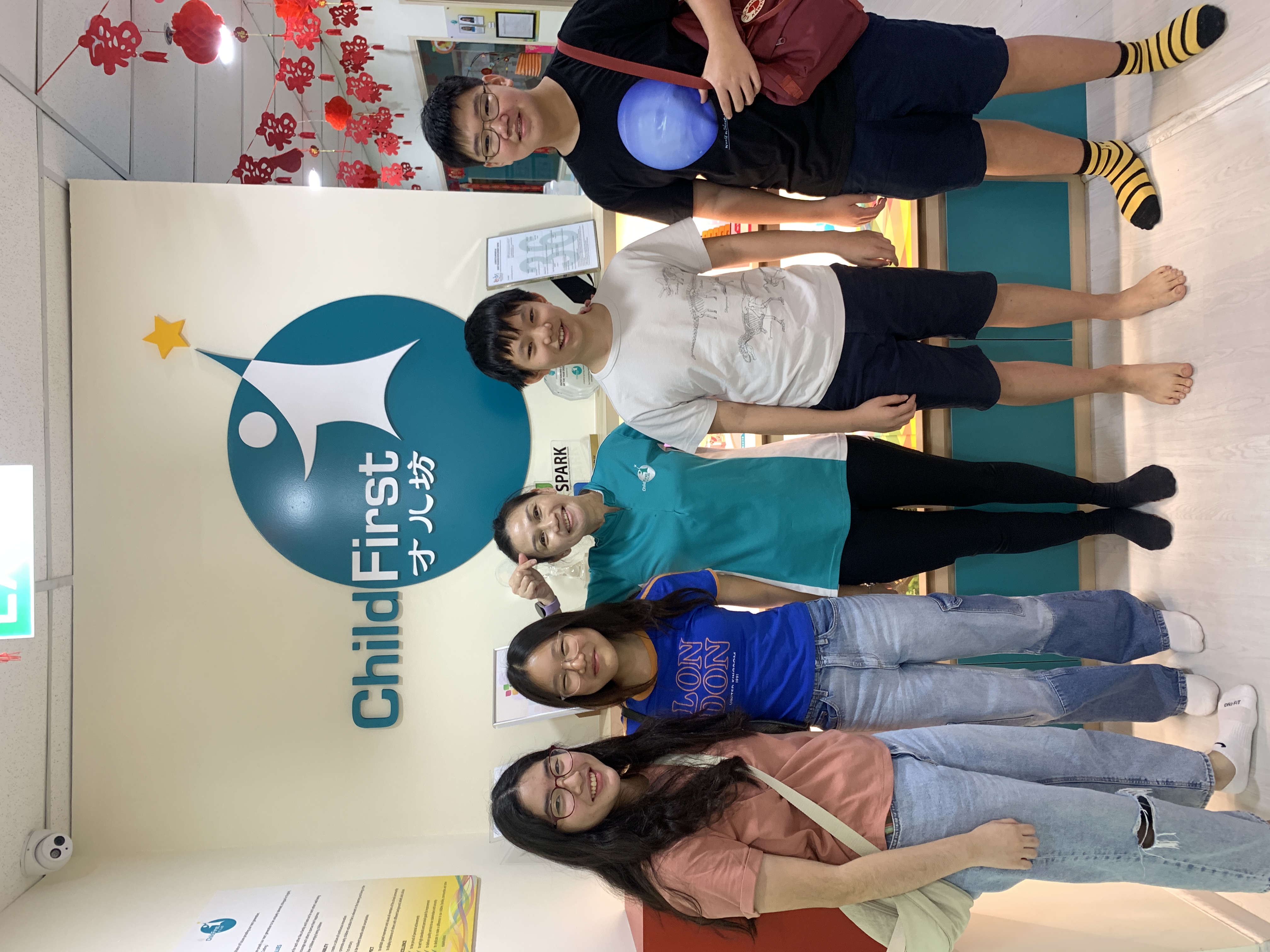
They went on to different primary schools. Different secondary schools. Different paths.
But the friendship never needed the same classroom to survive.
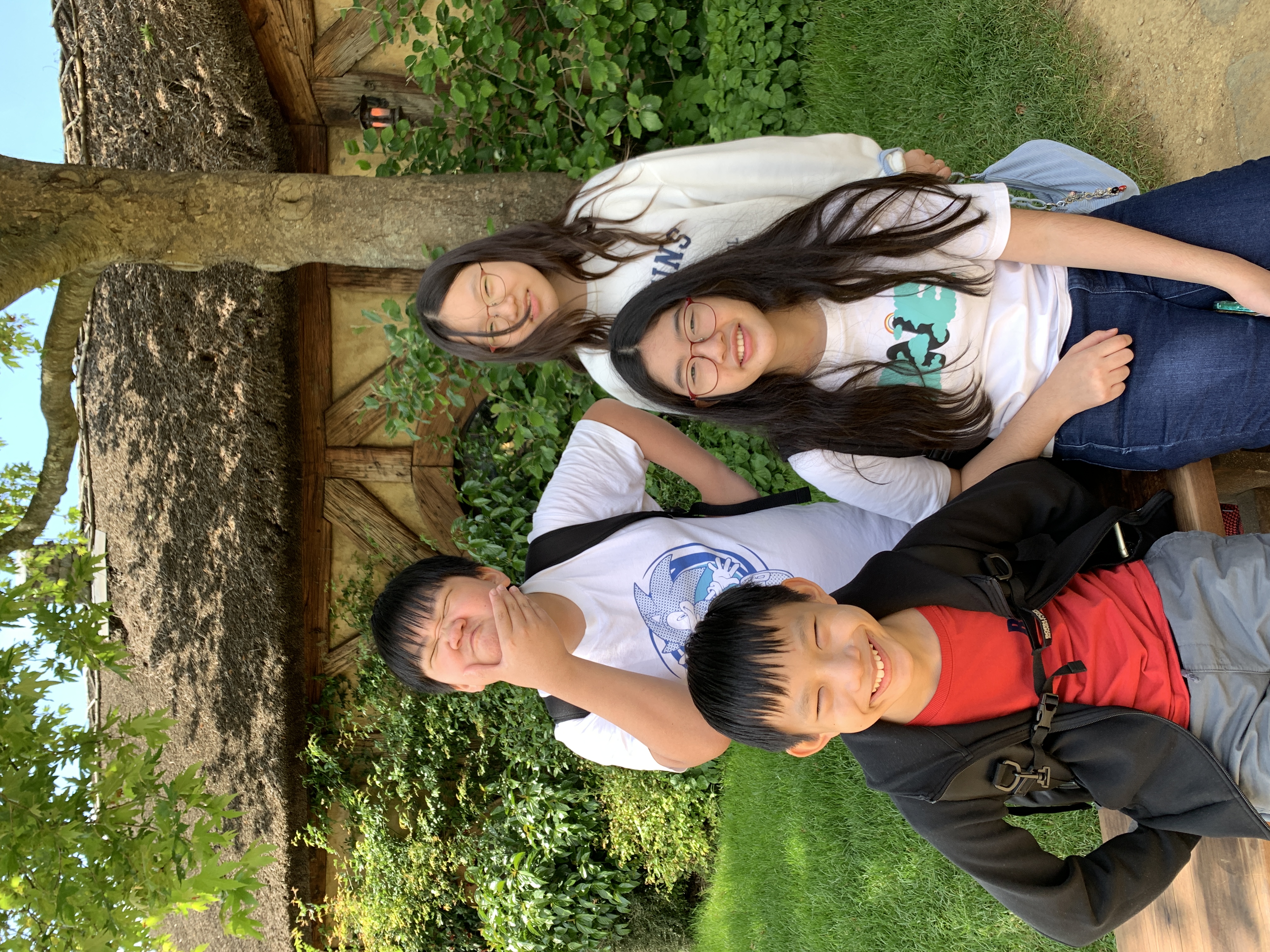
After their PSLE, they even travelled together to New Zealand.
Choosing a preschool is therefore about far more than preparing a child for Primary One.
It is about helping shape the life they will eventually live.
Perhaps it is no coincidence that Harvard University's Study of Adult Development, the world's longest-running study on adult well-being, found that the quality of our relationships is one of the strongest predictors of a happy and healthy life.
Children may not remember every lesson they learnt.
But they often remember the people they grew up with.
That is why we believe education should never focus only on academic outcomes.
It should also help children build the relationships, character and confidence that will stay with them long after school has ended.
We built ChildFirst around the kind of education we would want for every child—including our own.
Preparing children for tomorrow has always been our mission.
Helping them live meaningful lives has always been the reason.